F-One Plume vs Frigate: K-Wing & Pocket Wing
F-One has made a huge splash with two new products that are revolutionizing parawing foil. Meet the Plume, also known as the K-Wing, and the Frigate, known as the Pocket Wing. These two wings offer distinct approaches to downwind riding. The Plume focuses on intuitiveness and lightness. It also offers stability. The Frigate prioritizes pure performance and absolute freedom.
This comparison combines two perspectives. Hadou's on-the-water test put both wings through their paces in real conditions. F-One's vision is explained by Romain Halm, then by founders Julien and Raphaël Salles. This will help you identify the wing that best suits your skill level and progression goals.
Table of Contents
Two wings, two philosophies
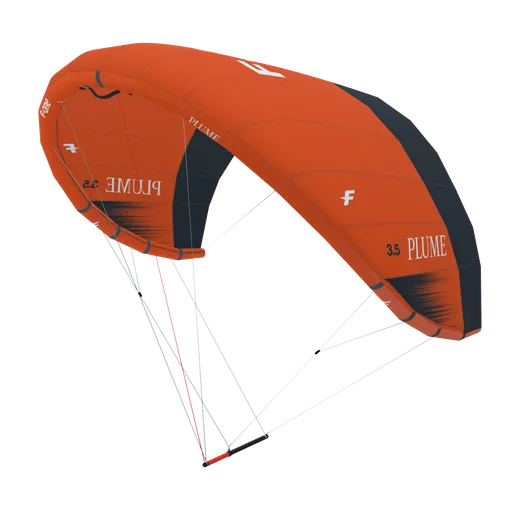
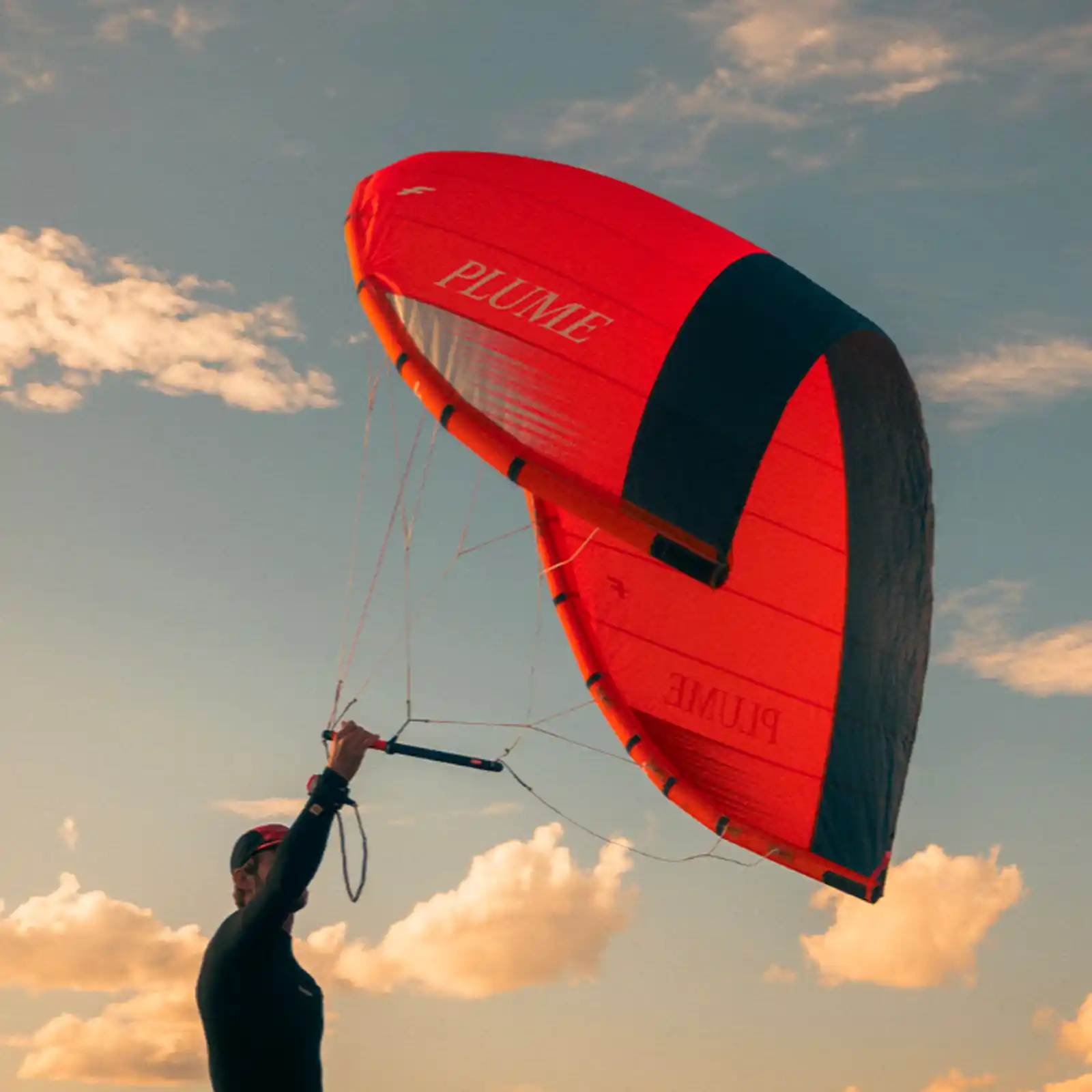
The Plume is a hybrid inflatable wing, a cross between a wing and a Kite. Its ultra-thin Leading Edge, strutless structure, and featherlight weight of around 1 kg make it surprisingly rigid and lively. Inflated to 8 PSI, it offers excellent handling while maintaining a flexible and responsive feel.
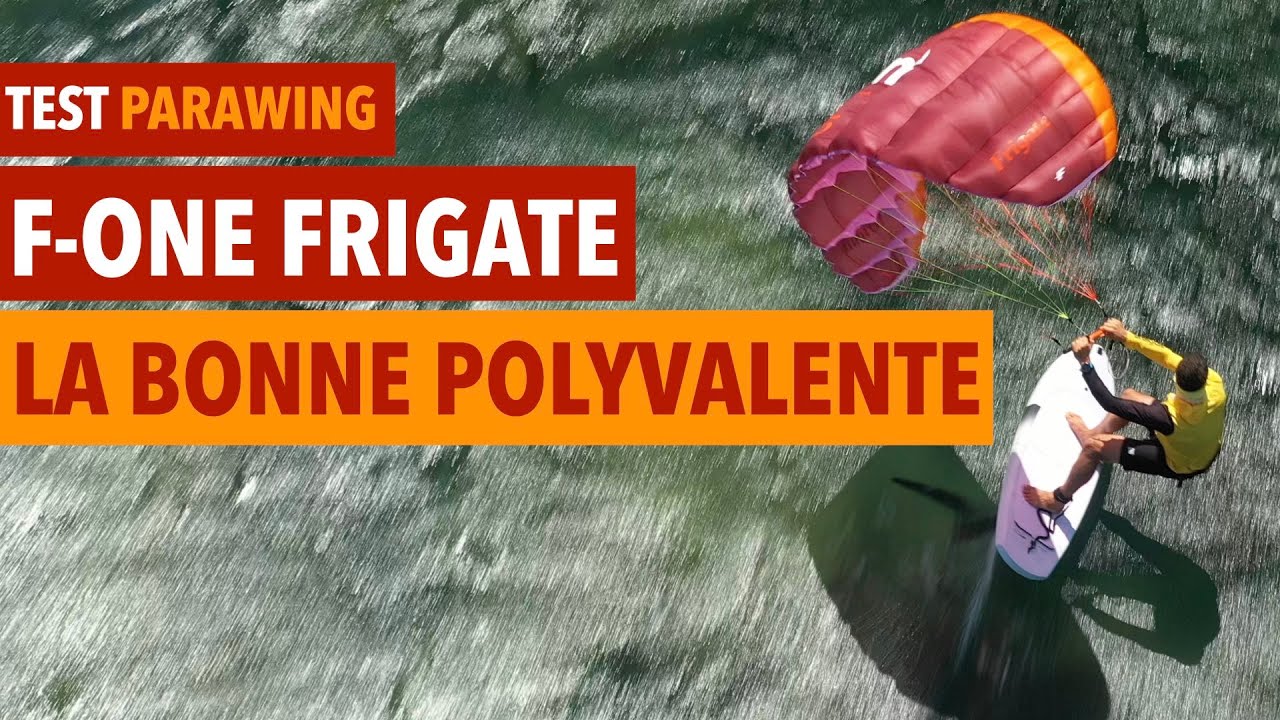
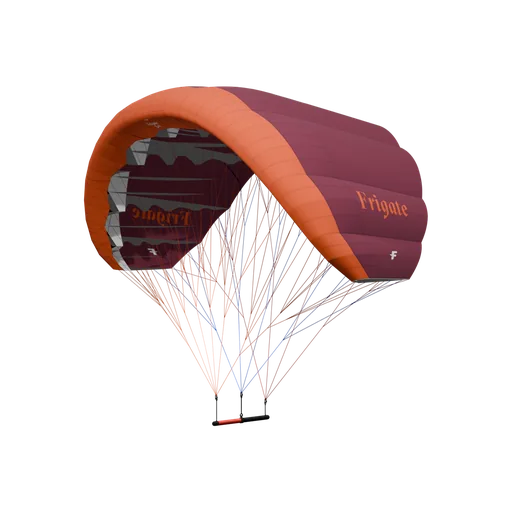
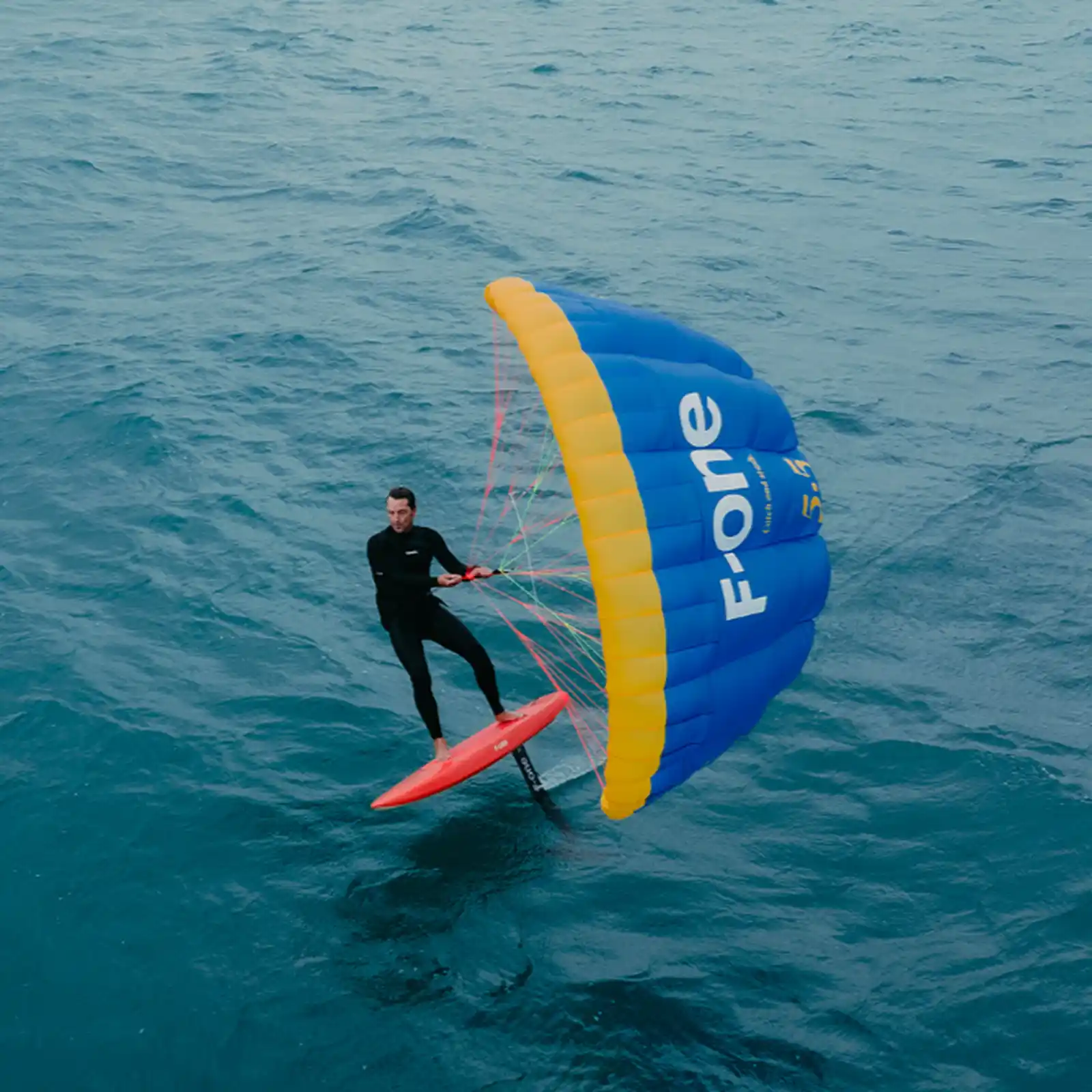
The Frigate, conversely, is a single-skin wing weighing around 600g. It features a short bridle (1.30 m) and a rigid batten structure that perfectly stabilizes the profile. It folds easily and fits into a minimalist bag. This wing is designed for more technical use. F-One clearly aimed to separate the two worlds: the Plume for simplicity and versatility, the Frigate for performance and absolute freedom.
The comparison at a glance
| Criterion | Plume (K-Wing) | Frigate (Pocket Wing) |
|---|---|---|
| Type | Hybrid inflatable wing | Single-skin with rigid battens |
| Weight | Around 1 kg | Around 600 g |
| Structure | Thin Leading Edge, 8 PSI, no central strut | Short bridle 1.30 m, rigid battens |
| Wind range (5 m²) | 15 to 30 knots, no harness | Early take-off, direct power |
| Audience | Initiation and freefly progression | Advanced riders, performance |
| Key feature | Stability, tracking, almost unlimited high wind range | Total freedom, pure surf feel |
Hadou's Review
On-Water Feel
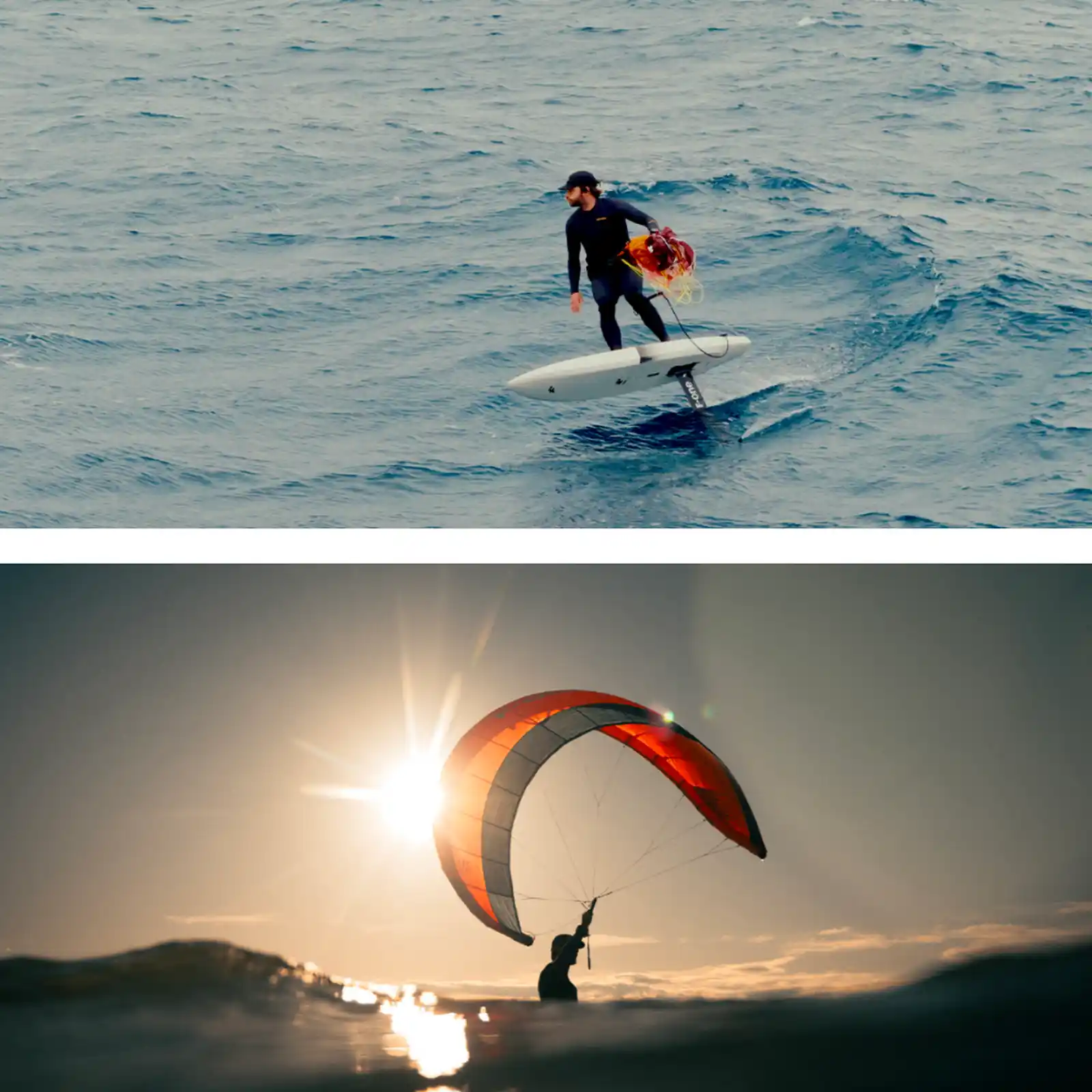
On the water, these two wings deliver completely different ride sensations. The Plume immediately impresses with its exceptional stability and tracking, letting you go upwind effortlessly. It maintains smooth bar handling and plenty of maneuverability, even in gusts, with an almost unlimited high wind range. Hadou notes it handles being overpowered well without stalling. This makes for a fluid and confidence-inspiring ride.
The Frigate, in contrast, offers more instant power and a stronger bottom-end pull. It takes off early, reacts quickly, and provides a more direct feel under your hands. It demands more technique in pumping. A harness line quickly becomes essential when the wind picks up. This is a livelier wing, but it's also more physically demanding.
Freefly and Handling
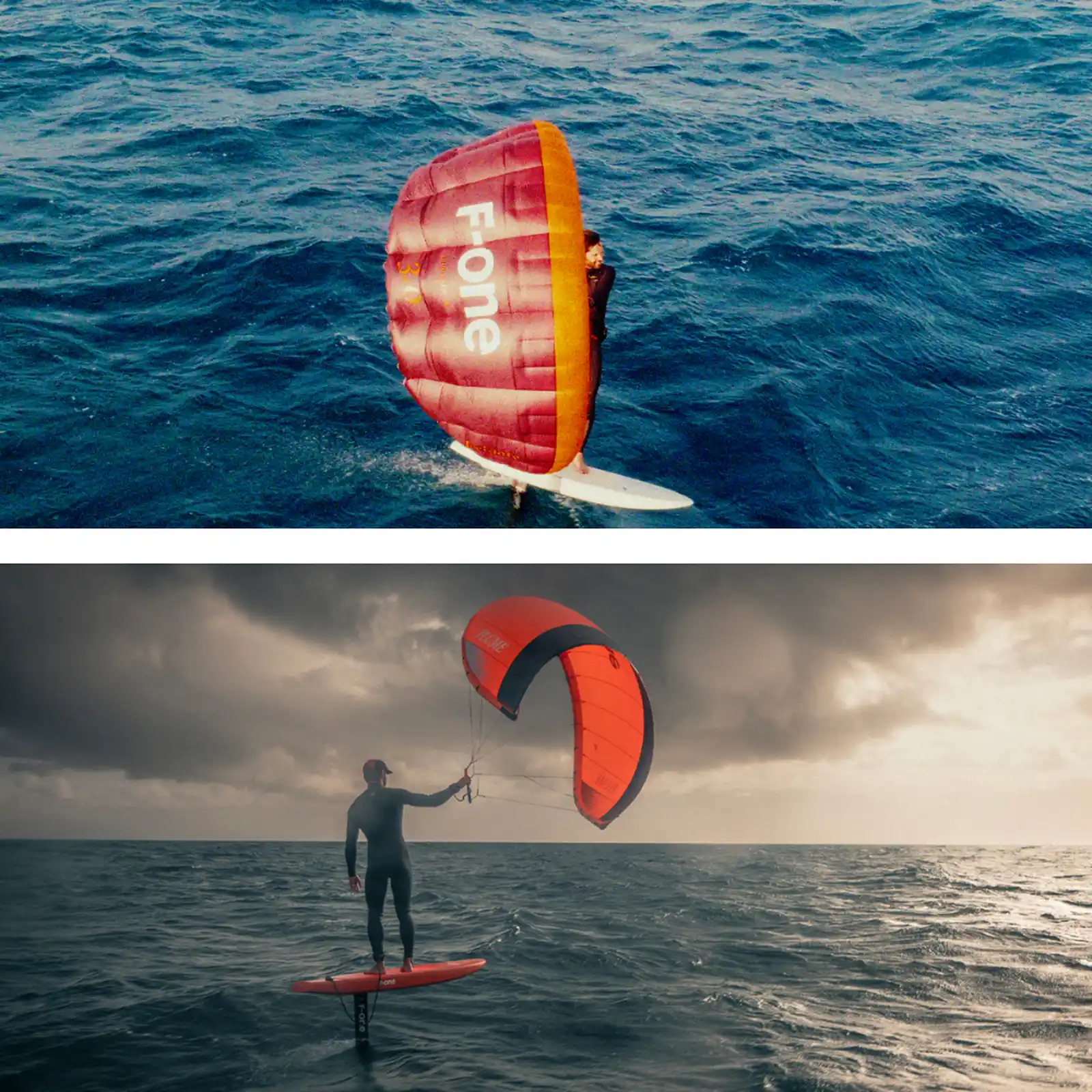
For freefly, the Plume shines with its ease of use. A simple pull on the red line completely deactivates it. The wing then floats above the water without tangling, and it relaunches instantly as soon as you grab the bar again. This simple, intuitive system makes riding very comfortable, especially for riders new to downwind. It offers freedom of movement similar to a wing, with even less drag.
The Frigate pushes the freefly concept to its extreme. Once folded, it completely disappears: no more traction, no more drag, just the foil and the swell. This pure surf sensation is incomparable, but it does require some coordination to manage redeployment well. Hadou describes it as the ultimate freedom mode, reserved for those who have already mastered transitions and committed downwind phases.
Who is this board for?
For Hadou, the Plume is the ideal wing for riders who want to get into parawing or progress in freefly without the constraints of a classic pocket wing. It is stable and intuitive. This makes it reassuring, perfect for exploring new sensations without getting tired. The Frigate, on the other hand, is designed for advanced riders seeking pure performance and radical sensations. It's more technical, but also more rewarding.
His verdict: perfect complementarity. The Frigate is a sophisticated pocket wing: light, powerful, and ultra-versatile, it's probably one of the most successful on the market. The Plume represents true innovation, an accessible and fun wing that simplifies the practice while offering exceptional upwind performance. He describes it as the pocket wing without the hassle, halfway between the simplicity of a wing and the freedom of a parawing.
F-One's Perspective: Romain Halm
According to Romain Halm, F-One's international sales manager, the development of Pocket Wings addresses a clear ambition: to offer a new type of freedom on the water. The parawing concept involves using the wing to go upwind, then neutralizing it downwind to freely surf the bumps. The idea is to combine performance and simplicity. This allows everyone to experience the pleasure of downwind without constraints.
The Plume K-Wing merges the power of a kite with the simplicity of a wing. It features a minimalist construction without central or lateral struts, a thin Leading Edge, and exceptional lightness. Romain Halm emphasizes its remarkable stability and upwind performance. Thanks to the pulleys on the bridle lines, power control is progressive and precise, letting riders cover long distances without fatigue or a harness. A 5 m² wing easily covers 15 to 30 knots.
The Frigate targets a more experienced audience. It prioritizes extreme lightness and compactness, with precision built around a single-skin structure and a short bridle. The reduced number of lines and their shortened length offer a more direct and stable wing, while also making transport easier. This pure performance wing folds completely during surfing, eliminating all traction for a 100% surf foil feel.
Interview with the Founders
Julien and Raphaël Salles, founders of F-One, remind us that parawing foil is evolving rapidly, driven by a growing community. After two years of research and testing, the brand chose not to rush, instead offering truly accomplished products: two distinct but complementary wings, the Plume for simplicity and versatility, and the Frigate for performance and extreme sensations.
According to Julien Salles, the Plume embodies the new generation of hybrid wings: light, maneuverable, without a central strut, with an inflatable Leading Edge, and weighing around 1 kg. It offers a wide wind range of 15 to 30 knots, remains controllable without a harness, and is appealing for freefly due to its natural stability. The Frigate, on the other hand, revives the spirit of the original parawing: completely hands-free downwind, it lets you surf the swell without any traction, with a higher technical requirement.
To fully exploit these wings, F-One recommends pairing them with long and narrow boards, which are better suited for take-off, as well as elongated foils like the Seven Seas, Eagle X, or Momentum. The Plume serves as an entry point to parawing, while the Frigate is the tool for those who want to push the limits of the discipline.
FAQ: K-Wing & Pocket Wing F-One
Consider this
Key considerations and limitations noted in this article:
- It demands more technique in pumping. A harness line quickly becomes essential when the wind picks up.
- The Frigate, on the other hand, is designed for advanced riders seeking pure performance and radical sensations. It's more technical, but also more rewarding.
Plume or Frigate for starting parawing?
The Plume K-Wing is your most accessible option: it's stable and intuitive. This makes it confidence-inspiring, perfect for getting started with freefly. For advanced riders chasing pure performance, the Frigate Pocket Wing is the answer.
What's the difference between a K-Wing and a Pocket Wing?
The Plume K-Wing is a hybrid inflatable wing, weighing around 1 kg, bridging the gap between a wing and a kite. The Frigate Pocket Wing is a single-skin wing, weighing about 600 g, with a short bridle. It's more compact and technical.
What is the wind range for the F-One Plume?
A 5 m² Plume easily handles 15 to 30 knots. You can control it without a harness, thanks to its pulleys on the bridle lines.
What gear should you pair with these wings?
F-One recommends long, narrow boards for easy take-off, along with elongated foils like the Seven Seas, Eagle X, or Momentum.
Why buy from GlissEvolution?
Get expert advice, after-sales support in France, and a 2-year warranty. Visit us in Pornichet to choose between the Plume and the Frigate, based on your riding style.
Ready to get into parawing?
Our experts will help you choose between the Plume and the Frigate, and put together the right board and foil setup for your skill level.
View F-One Plume View F-One Frigate Contact us
Also read
Sources: Hadou's field test and F-One interviews (Romain Halm, Julien and Raphaël Salles, via Water Sport Zone). Prices and sizes are subject to change, as is availability. Find up-to-date stock on the shop or contact our team.
 F-ONE